How to advertise adult products with 3D visuals
Even a tasteful product photo can get flagged. Here is how to work around platform restrictions and still reach your audience effectively.
If you sell adult wellness products, you already know the catch: the platforms where your customers are hanging out are usually the same ones that won't let you show what you're selling.
Even a tasteful, well-shot product photo can get flagged on Meta or quietly buried on Pinterest. Sometimes it's pulled from an ad entirely. It's a frustrating spot to be in, but it's not unsolvable, and how a brand chooses to work around it says a lot about who they are.
A Few Principles Worth Knowing, Whatever Route You Take
Before getting into any specific solution, it helps to step back and think about what actually works when advertising adult products, regardless of whether you lean on photography, illustration, copywriting, video, or something else entirely.
Lead with function, not depiction.
The goal of an ad is usually to communicate what a product does and why it matters. Once you shift the focus to function, a lot more creative options open up. For example, instead of showing a vibrator in use, you could show a simple animation of its five vibration speeds, or a close-up of the app screen where someone adjusts the intensity.
Learn the specific rules of each platform.
Meta, Pinterest, Google Ads, and TikTok all draw the line in different places. What gets flagged on one might be perfectly fine on another. A silhouette shot might be fine on your own website but still get an ad rejected on Meta, while the same image could pass fine on Pinterest.
Hinting works better than showing.
You don't have to spell everything out. Giving people a feeling, like confidence or comfort, often sells better than a literal image ever could. A couple laughing together in soft lighting, or a single hand resting on a nightstand next to the product, can say more than a literal product-in-use shot.
Educate rather than titillate.
Content that explains how something works, what it's made of, or how to use it safely builds trust with a reader, and it naturally sidesteps a lot of platform restrictions. Think a short post on "how to clean your silicone toy" or "what does body-safe material actually mean," rather than a post built around arousal.
Your website and your ads are different games.
What you can show on your own product pages is far less restricted than what you can put in a paid or social post. It's worth treating these as two separate strategies rather than one. Your product page might include a detailed close-up photo, while the Instagram ad linking to that page uses only a soft, abstract teaser image.
These hold up no matter which creative approach a brand ultimately picks.
One Option Worth Considering: 3D Visuals
3D visualization is one option that lines up well with the principles above. Because a 3D render is built rather than photographed, you have full control over exactly what's shown. There's no real body, no explicit depiction, and nothing that needs to be blurred or cropped after the fact, just a clear, controlled visual that explains the product.

Exploded-view 3D render highlighting motor isolation, waterproof seals, and ergonomics without explicit human depiction, fully compliant with Meta, TikTok, and Google Ads policies.
What 3D Can Actually Show
A render can communicate a surprising amount without ever depicting the product in use:
How it moves or functions: vibration patterns, flexibility, adjustable settings
Materials and texture: the finish of medical-grade silicone, a matte casing, a charging port
What's inside: a cutaway or exploded view showing motors, batteries, or internal mechanics
Scale and ergonomics: using abstract or stylized forms rather than real bodies to show fit and proportion
Tech features: app pairing, Bluetooth controls, or other smart functionality

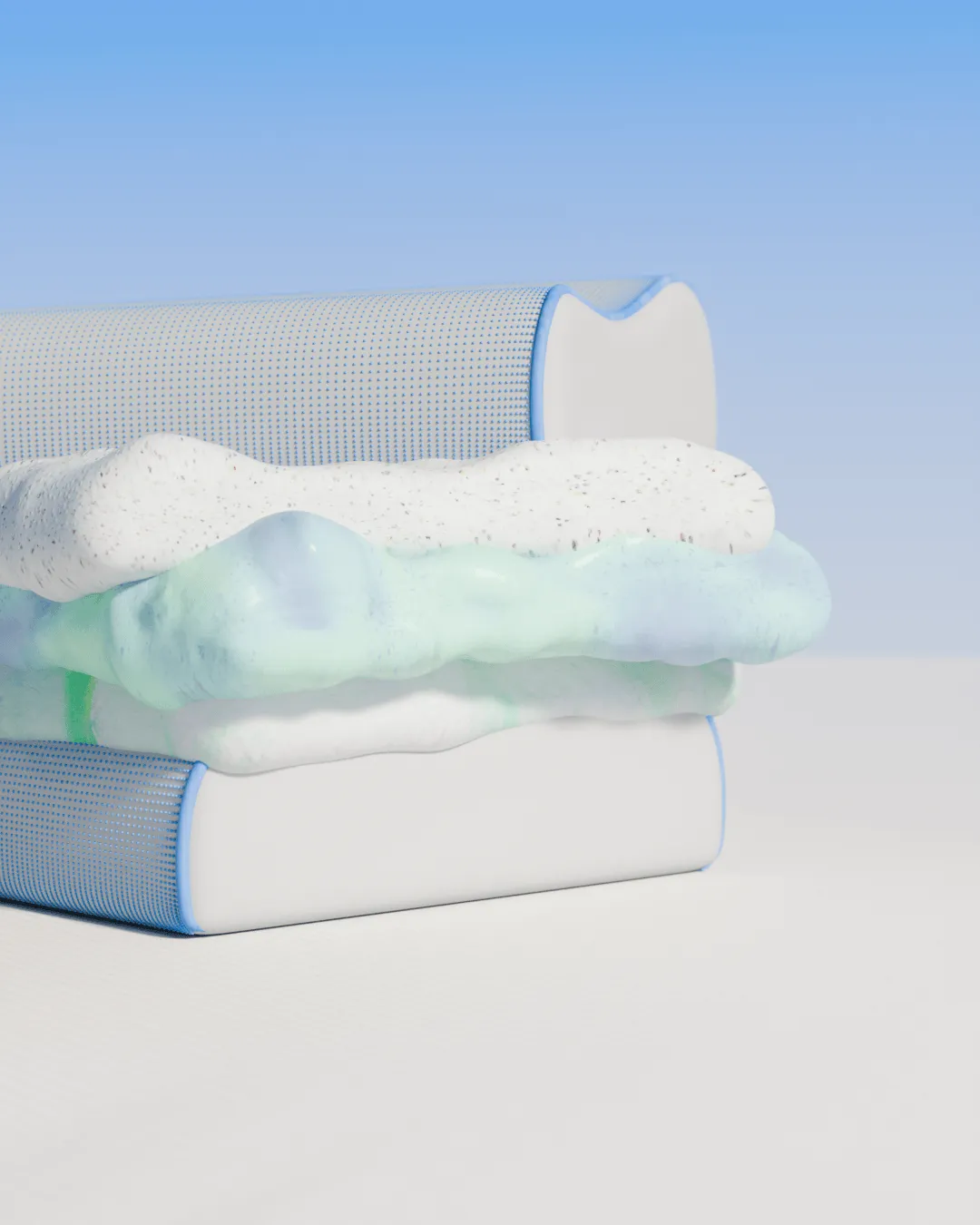
Tactile Silicone Shaders
Sub-surface scattering replicates velvety medical-grade silicone texture and soft ambient lighting to build desire safely.

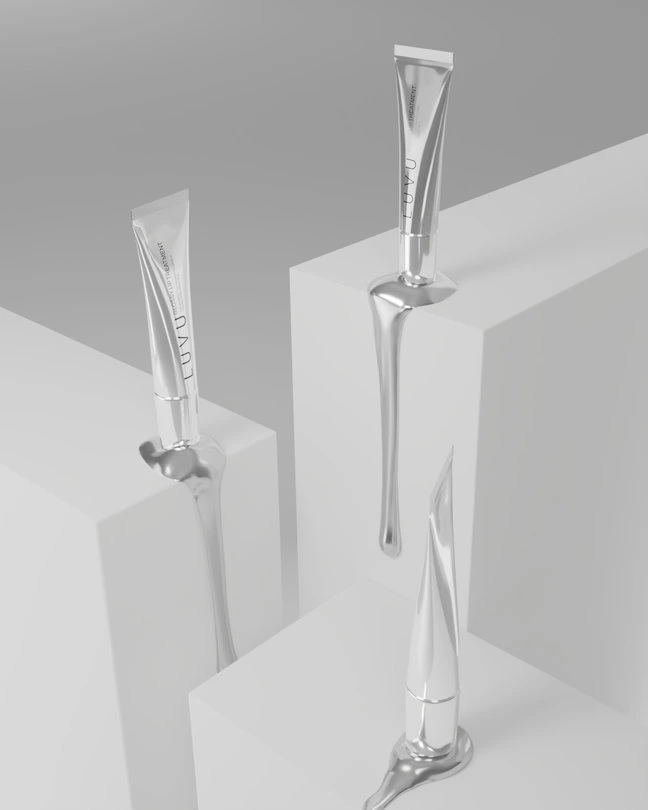
Elevated DTC Packaging Stills
Clean, museum-grade atmospheric presentation that communicates hygiene, discretion, and luxury for social channels.
None of this requires showing the product being used, just how it's built and what it does.
What This Approach Can Offer a Brand
For brands that take this route, a few things tend to follow. Content can run on more platforms without getting pulled or suppressed. Ad accounts are less likely to get flagged or shut down over creative that violates a policy. Budget spent on visuals is more likely to actually reach an audience instead of getting rejected mid-campaign. And because the content is educational rather than explicit, it can build trust with a potential customer faster than a product photo alone might.
See Function-First 3D in Action: Sexual Wellness 3D Motion
Explore how we visualized sensory curves, internal mechanisms, and luxury silicone textures while maintaining 100% ad compliance across Meta, TikTok, and web channels.
Explore Sexual Wellness Case Study →What Tends to Happen If the Problem Isn't Addressed
On the other hand, brands that don't find a way around the explicit-content restriction often run into the same issues repeatedly: reach gets suppressed before a post is even seen, ad accounts accumulate flags that put the whole account at risk, and money gets spent on creative that never fully runs. Some platforms (Pinterest and TikTok especially) end up effectively closed off. And content that leans too explicit or transactional can actually slow down trust-building with a new audience, rather than speed it up.
Worth Exploring?
There's no single right way to advertise an adult wellness product; every brand's situation is a little different. But if the restrictions above sound familiar, and a more visual, function-first approach sounds like it might fit your brand, it could be worth a conversation. If you'd like to talk through what this could look like for your product specifically, feel free to reach out and book a call.
Start Your Project
Ready to apply these storytelling techniques to your brand? Let's discuss how we can create stunning 3D visuals together.
Book a Discovery Call