3D Product Visuals Are Revolutionizing the Women's Sexual Wellness Industry
Explore how 3D visuals, animation and educational content are helping sexual wellness brands explain anatomy, product technology and women's health.
The women's sexual wellness industry is changing. More brands are entering the market, conversations about pleasure and women's health are becoming more visible, and consumers are gradually becoming more comfortable discussing topics that were once considered taboo.
But how much has really changed? And what role can visual communication, particularly 3D animation, play in this shift?
I think there's an interesting opportunity here. While many brands are investing in education, research and influencer marketing, 3D visuals are still not being used to their full potential. And they could make some complicated topics much easier to understand.
Table of Contents
How are brands changing the way people see sexual wellness?
For a long time, sexual wellness products have been difficult to promote through mainstream media. Even when brands want to talk about health, pleasure or self-care, they often face advertising restrictions and social stigma.
Some consumers still feel uncomfortable seeing adult products promoted on social media. At the same time, brands are finding new ways to make these conversations feel more natural and approachable.
For example, Lovehoney launched its Feel the Lovehoney campaign in 2025. Instead of showing products directly, the campaign uses humour, intimacy and suggestion to communicate its message while working around advertising restrictions.
This is one example of how brands are adapting their communication. They're not necessarily making their products more explicit. They're finding creative ways to talk about intimacy and pleasure without making the audience feel uncomfortable.
Other brands are focusing more on education.
For example, Skore launched its Cliteracy Drive campaign in India, working with sex-positive creators and educator Leeza Mangaldas to raise awareness about the clitoris and female pleasure.
These campaigns show that sexual wellness marketing is not only about presenting a product. It's also about helping people understand their bodies and feel more comfortable talking about their health.
Why is education becoming so important?
Another interesting change is that some brands are investing in scientific research and educational projects.
Womanizer, for example, partnered with the Kinsey Institute at Indiana University on a clinical study exploring the relationship between masturbation and menopause symptoms. The study involved 66 women aged 40 to 75.
This is an example of a brand supporting research to contribute to a wider conversation about women's health. Of course, one study does not prove every possible health benefit, but it shows how sexual wellness companies can become involved in research and education rather than focusing only on product promotion.
Another example is OMGYES, an educational platform that works with researchers from Indiana University, the Kinsey Institute and Yale University. It turns research about women's pleasure into videos, practical guides and 2D animations.
I find this particularly interesting from a visual communication perspective. Some topics are difficult to explain through words alone. Even when the information is scientifically accurate, people may struggle to imagine how something works or understand how different parts of the body are connected.
Why can 3D visuals make sexual wellness easier to understand?
Imagine trying to explain the anatomy of the clitoris using only text. You could describe its different structures, their positions and how they connect to other parts of the body.
But would someone who has never studied anatomy easily understand what you're describing?
Now imagine showing the same information through a 3D animation. You could gradually reveal the internal structures, rotate the model, highlight specific areas and demonstrate how everything connects.
It's similar to reading a book with illustrations compared to reading pages of text without any images. Both can provide information, but visuals can make unfamiliar concepts easier to follow.
And this is not just a theoretical idea.
One interesting example is Cliterate, an anatomically accurate 3D-printed model developed with RMIT University. It was designed as an educational tool for healthcare professionals and educators. The model can be pulled apart to show the relationship between the vulva, clitoris and pelvis.

Cliterate is a physical 3D model, not a motion design project. But I think it demonstrates something important: when people can see how anatomical structures are connected, it becomes easier to explain information that might otherwise feel complicated or uncomfortable. The same principle can be applied to 3D animation.
For sexual wellness brands, 3D visuals could help explain:
Anatomy & Body Functions
Showing internal structures, how different parts of the body connect and how they work in harmony.
Product Technology
Explaining internal mechanisms, motor systems, vibration patterns or other features that customers cannot see from the outside.
Product Design
Demonstrating ergonomics, premium silicone materials, contouring, and how a product is designed to be used safely.
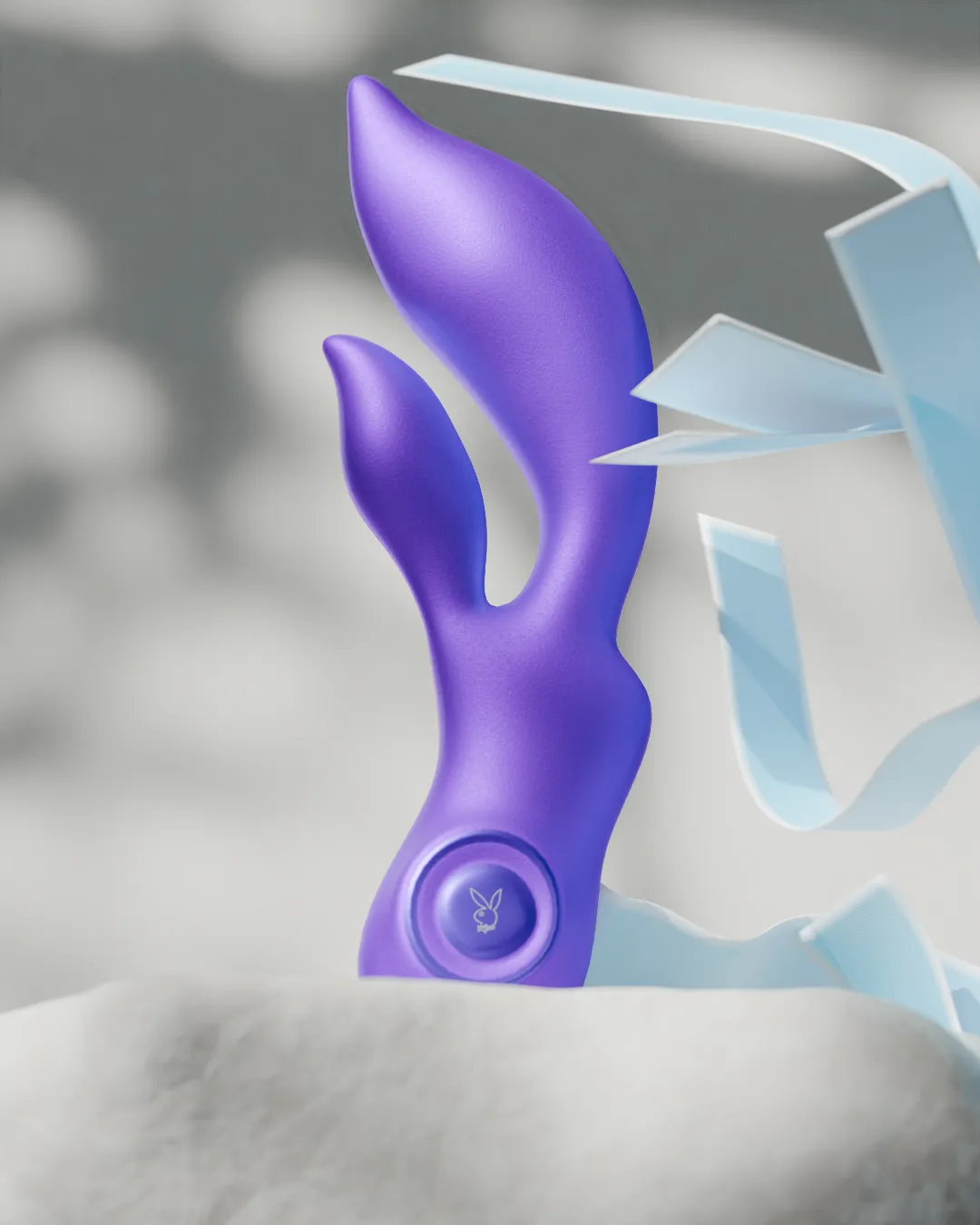
Soft gradients and rim lighting sculpt ergonomic contours, communicating intuitive comfort and body-safe materials without clinical detachment.
Instead of relying only on technical descriptions, brands can use visuals to help people understand what makes a product different and why certain features matter.
To see how 3D animation compares directly with traditional photoshoots for feature breakdowns and marketing budgets, explore our guide on 3D Product Animation vs. Photography for Adult Wellness Brands: What's the Difference and Which Should You Choose?
Is 3D visual communication really changing the industry?
I think it's important to be realistic here.
The sexual wellness industry is becoming more open in some ways, but stigma and advertising restrictions haven't disappeared. Brands are still trying to find the right balance between education, product promotion and platform policies.
We can already see companies investing in research, educational content, influencer partnerships and more creative advertising. However, there isn't enough published evidence to say that 3D motion design itself is already changing consumer attitudes or reducing stigma.
What I do see is an opportunity.
3D animation can help brands explain things that are difficult to show through traditional photography or communicate through text. It can make anatomy, science and product technology more accessible, while giving brands more creative freedom in how they present their products.
And I believe this is particularly relevant to women's sexual wellness, where education and clear communication are still incredibly important.
The industry is gradually moving towards more open conversations about women's health and pleasure. As this continues, visual communication will become an important part of how brands educate their audiences.
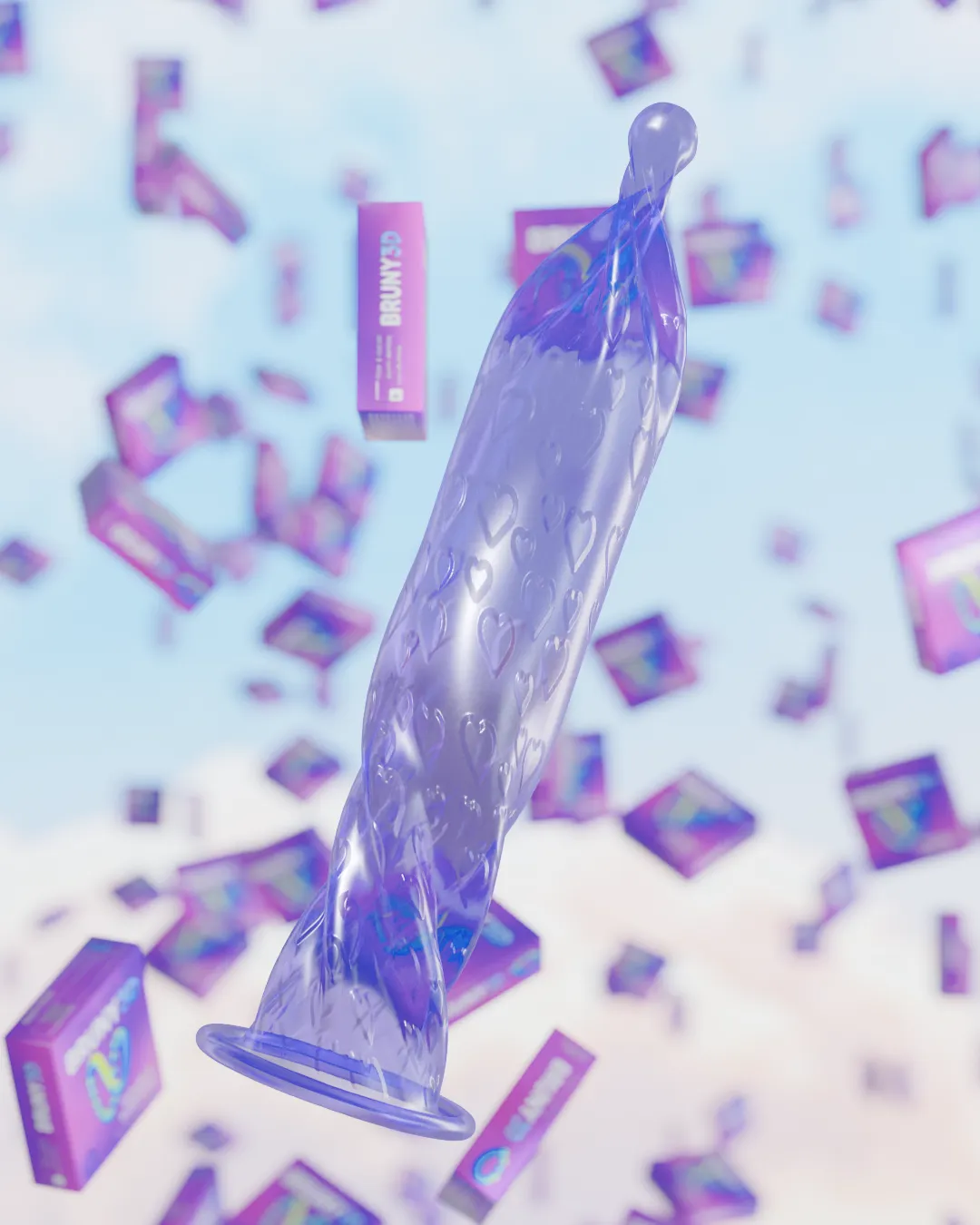
Elevating Intimate Products to Lifestyle Luxury
Warmth and tasteful direction remove awkwardness, helping customers see wellness products as everyday self-care essentials.
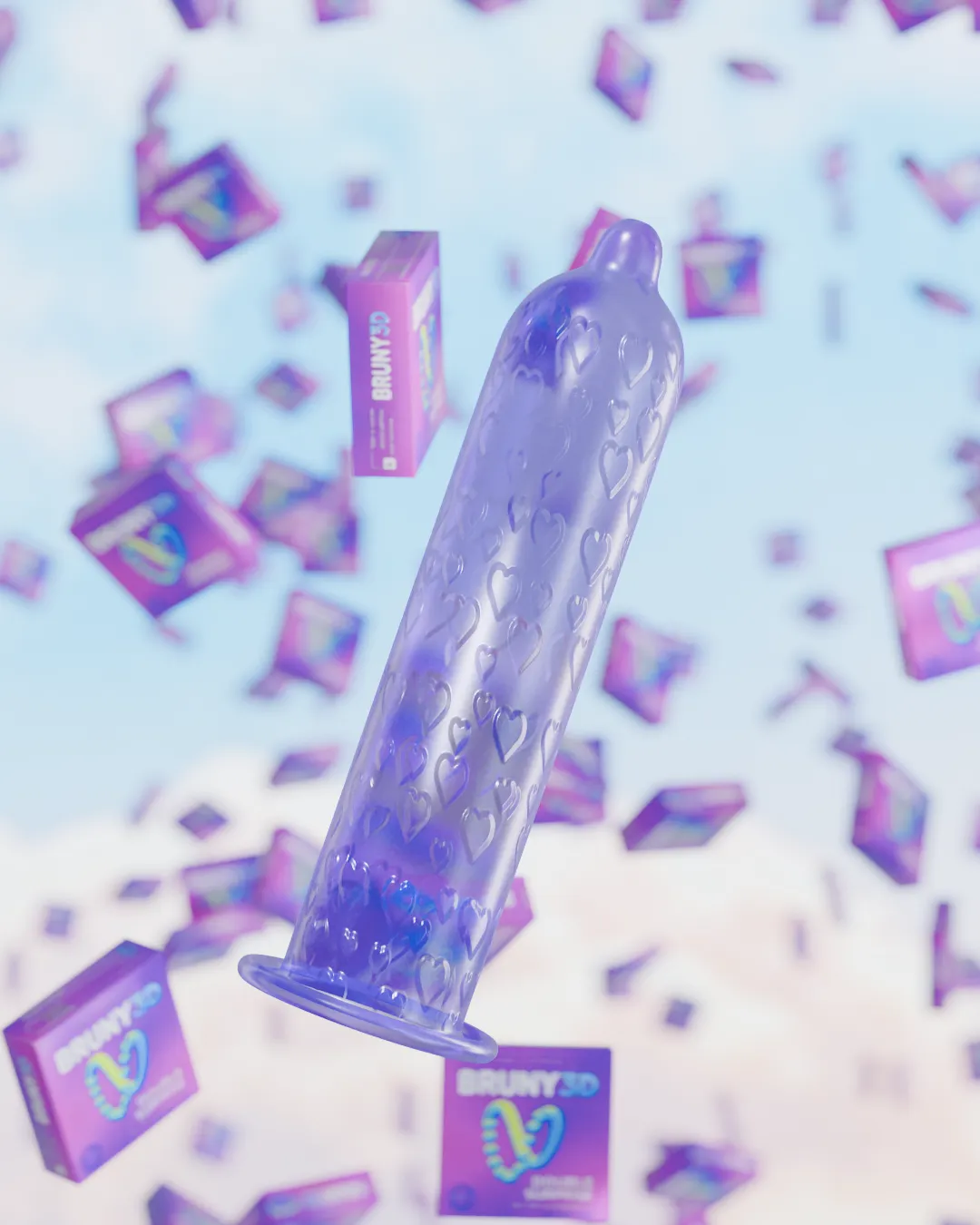
Material Physics & Transparency
Advanced shader physics depict micro-textures, liquid resistance, and elasticity with photorealistic precision.
I believe 3D motion design has a much bigger role to play in this process than most brands currently realize.
See Sensory 3D Motion in Action: Sexual Wellness Campaign
Explore how we rendered luxury silicone textures, gentle motion curves, and non-explicit product interactions that passed strict ad platform guidelines with zero policy strikes.
Explore Sexual Wellness Case Study →Frequently Asked Questions
How are 3D visuals used in the women's sexual wellness industry?
Sexual wellness brands use 3D visuals to explain complex female anatomy, demonstrate hidden product technologies (like isolated motors and air-pulse mechanisms), and showcase ergonomic designs without producing explicit or policy-violating imagery.
Why is visual education so critical for adult wellness brands?
Many adult wellness products require educational context regarding body safety, hygiene, and anatomy. Visuals clarify abstract scientific and anatomical concepts much faster than walls of text, helping destigmatize sexual health and fostering buyer confidence.
Can 3D animation help adult wellness products navigate advertising restrictions?
Yes. While advertising policies on Meta, TikTok, and Google remain strict, 3D animations allow brands to craft stylized, function-focused content that highlights engineering and benefits rather than explicit human depictions.
What are the benefits of 3D motion design over traditional photoshoots for adult toys?
Photoshoots can only capture the outside housing of a product. 3D motion graphics can take viewers inside the device to reveal motor isolation, vibration frequencies, waterproof seals, and material quality, all while being easily adaptable for multiple aspect ratios and campaigns.
Start Your Project
Ready to apply these storytelling techniques to your brand? Let's discuss how we can create stunning 3D visuals together.
Book a Discovery Call