3D Product Animation vs. Photography for Adult Wellness Brands: What's the Difference and Which Should You Choose?
Discover the differences between 3D product animation and photography for adult wellness brands. Learn how each approach helps showcase product features, technology and design.
It's no secret that marketing an adult wellness brand comes with its own set of challenges. Unlike many other consumer product categories, adult toys and sexual wellness products face additional restrictions when it comes to advertising.
Table of Contents
Introduction: Why is marketing adult wellness products so difficult?
It's no secret that marketing an adult wellness brand comes with its own set of challenges. Unlike many other consumer product categories, adult toys and sexual wellness products face additional restrictions when it comes to advertising.
And we're not just talking about showing explicit content. Some platforms restrict the advertising of the products themselves.
For example:
Instagram and Facebook don't allow ads promoting the sale or use of adult products.
TikTok prohibits advertising sex toys and other sexual products under the TikTok advertising policy.
Pinterest doesn't allow paid promotion of sex toys, even when the creative itself isn't explicit, according to the Pinterest advertising guidelines.
Google Ads allows some sexual merchandise advertising, but with significant restrictions depending on the location and audience under the Google Ads sexual content policy.
This means that even if a brand has a perfectly clean product image or a beautifully produced video, it might still struggle to promote its products through paid advertising.
But advertising restrictions aren't the only challenge. There's also the stigma surrounding the adult wellness industry. Despite the growing visibility of sexual wellness products, some people still associate them with something embarrassing, inappropriate or even shameful.
I've personally experienced this when talking about the industry on LinkedIn. Even a professional discussion about product design or 3D animation in adult wellness industry can attract comments that have very little to do with the actual subject. I'll share a few examples here because I think they illustrate the problem quite well. And honestly its surprised me when i found out people are still having this stigma about sexual wellness advertisement.
So brands are dealing with two different challenges: getting their products in front of potential customers and changing the way people perceive the industry.
And this is where I think visual communication becomes particularly interesting.
Recently, I've noticed more adult wellness brands experimenting with 3D product visuals. Photography is still everywhere, of course, but brands are starting to use 3D product animation to show how their products work, reveal internal technology and explain features that are difficult to demonstrate in a traditional photoshoot.
I believe this is a big win for the industry!
Photography and 3D animation serve different purposes. And before deciding which one your brand needs, it's worth looking at what each approach can actually communicate.
1. Product photography: Showing the real product
Photography is still one of the most familiar ways to present consumer products. Every major adult wellness brand uses it across its website, eCommerce store, social media, advertising on the street.
And there's a good reason for that.
When people buy something online, they want to know what they're actually getting. What does the product look like? How big is it? What does the material look like? Will it fit comfortably in their hand? A photograph answers these questions quite naturally.
Brands use product photography to give customers a realistic idea of what they're buying.
It's also something customers are already used to. They understand product photography, know what to expect from it and can easily compare products between different brands.
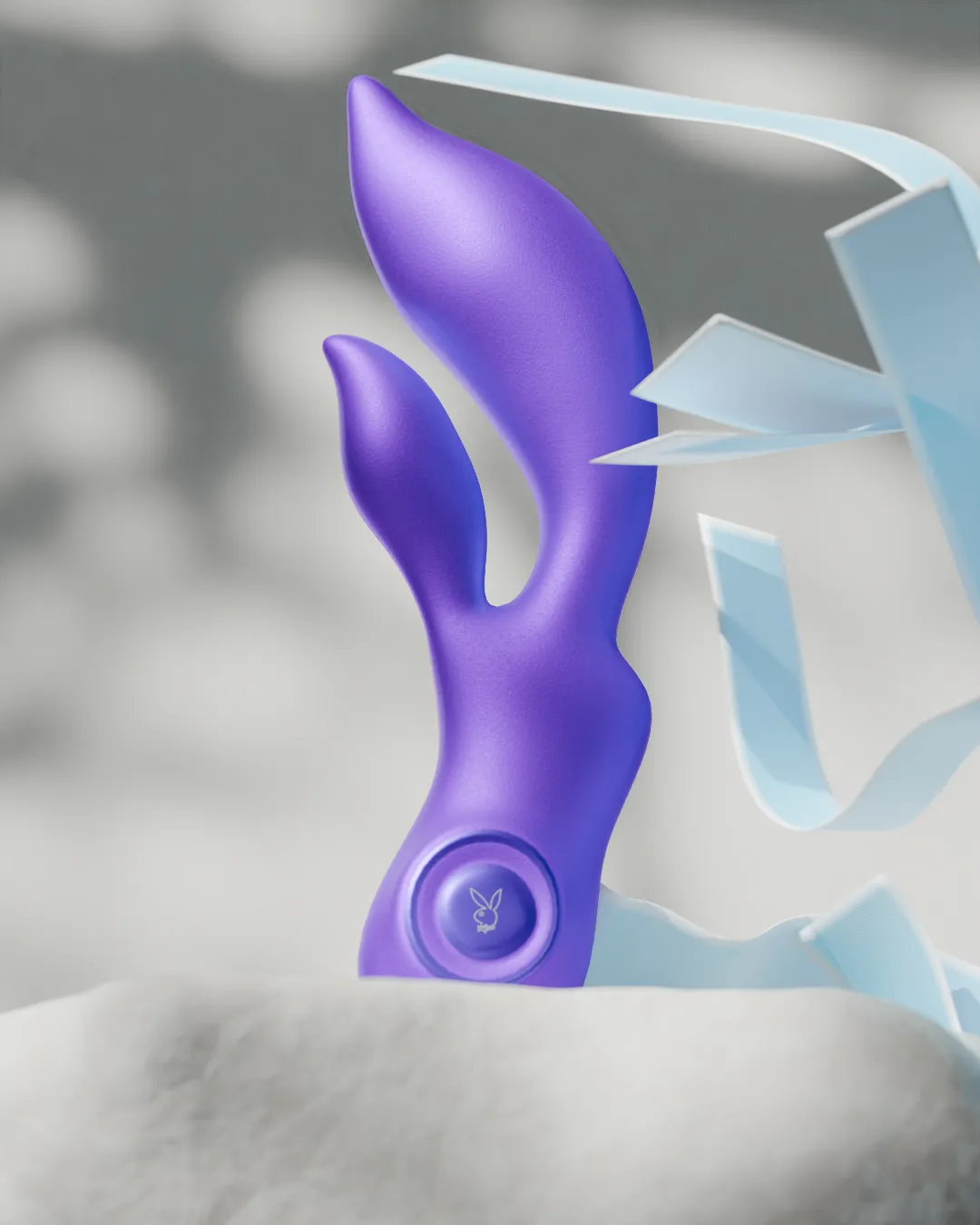
But imagine a customer looking at two vibrators that have a very similar external appearance.One brand claims to have a quieter motor, more advanced vibration technology and better internal engineering. The other makes similar claims. Looking at two product photographs, how is the customer supposed to understand the difference?
And here we go, we face the limitation of Photography…
2. What photography cannot easily explain
When people compare adult wellness products, their decisions aren't based on appearance alone. They also want to understand what makes a product worth its price.
Consider some common product features:
Motor and noise levels
A brand might advertise a quiet motor, but a photograph can't demonstrate how quiet it actually is. You could photograph the product from every possible angle, and the customer would still have no idea what makes the motor different.
Internal technology
Some products contain multiple motors, specialised vibration mechanisms or other components that are hidden inside the housing. These features can be important selling points, but customers rarely get to see them.
Ergonomic design
A product might have been carefully designed around specific body contours. Its shape is part of its functionality, but a static image doesn't always explain why that particular shape was chosen or how it supports its intended use.
Waterproof construction
A photograph can show a product next to water, but that doesn't explain how its waterproof construction works or what makes its sealing system reliable.
The problem isn't that photography is bad at showing products. It's that some of the most important product features simply aren't visible.
Brands spend time and money developing technology, choosing materials and improving product design. Yet customers might only see a photograph of the finished product.
And that's a missed opportunity to communicate what makes it different.
3. 3D product animation: Showing what's behind the product
Unlike a traditional photoshoot, 3D production allows you to build the product digitally and control exactly what the viewer sees.
Want to show what's inside the product? You can open the housing and reveal its internal components.
Want to explain why a motor is quieter? You can animate its internal construction, show how it's mounted and isolated from the outer casing, and combine that with actual noise measurements in decibels.
Want to demonstrate the product's ergonomic design? You can use a 3D model to show its shape from different angles and explain the design decisions behind it.
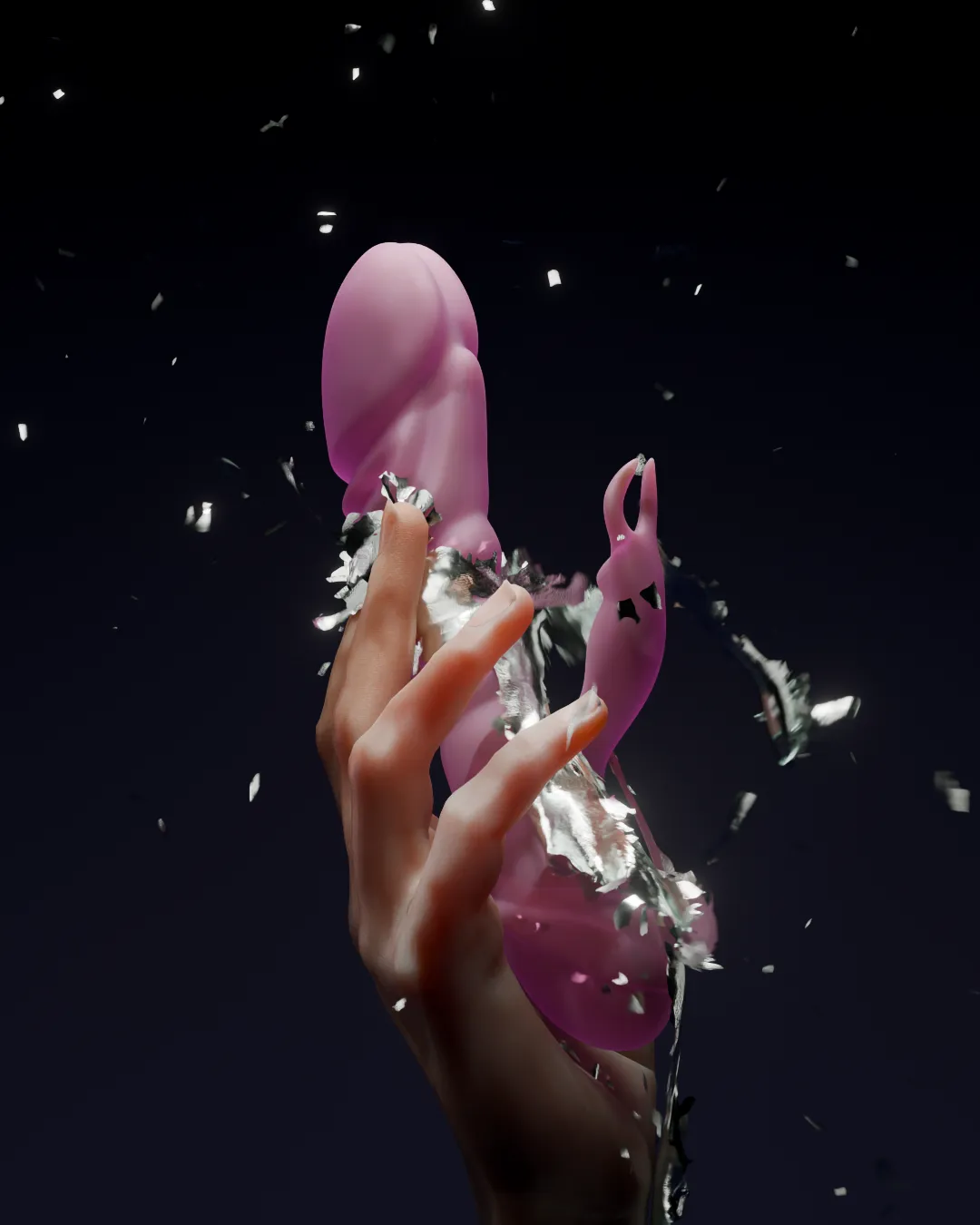
You don't have to physically disassemble the product or build a complicated physical setup to capture these details.
There's also another interesting advantage: you don't always have to show everything literally.
For example, instead of showing an actual motor vibrating inside a product, you could use animated waves or simple visual elements to represent the vibration technology.
Instead of showing an internal mechanism in a purely technical way, you could create a more stylised animation that explains how the different components work together.
This is particularly relevant to adult wellness brands because 3D gives you more freedom to focus on the product itself.
You can create clean, premium-looking visuals that highlight the design and technology without relying on explicit sexual imagery.
And while this doesn't guarantee advertising approval, it gives brands more control over the creative direction and the way their products are presented.
Why does this matter to customers?
There's an important difference between reading that a product has advanced technology and actually seeing what that technology does.
When a customer reads a technical specification, they have to imagine how it works. A well-made animation can do that part for them.
For example, a 2023 study published in the Journal of Retailing and Consumer Services examined how showing the internal components of a product through exploded-view visuals affects consumers' understanding and mental imagery, exploring how seeing what's inside a product can help people understand its functions and features.
This is one of the reasons I find 3D particularly interesting for product marketing. It can turn something customers wouldn't normally see into something they can actually understand.
And there's a creative side to this too. A product doesn't always have to be presented in the same way customers see it in everyday life.
You can use abstract shapes, animated materials, close-up details and transitions to make technical information more interesting to watch.
It gives the brand another way to tell its product story, rather than simply showing another photograph of the same product. For an in-depth look at how brands are using these visual tools to explain anatomy and reshape consumer dialogue, see our analysis on how 3D product visuals are revolutionizing the women's sexual wellness industry. (You can also explore our guide on how 3D motion design strengthens brand storytelling or see how to advertise adult products with 3D visuals).
4. Photography vs. 3D animation: Which one should your brand choose?
So, should adult wellness brands replace photography with 3D animation?
I wouldn't recommend that.
Photography is still essential when customers need to see the actual product. They want to know its real appearance, size, colour and finish before buying it.
3D animation becomes more useful when there's something about the product that a photograph cannot easily explain.
Here's a simple way to look at it:
| Your marketing goal | Better approach |
|---|---|
| Show the actual product | Photography |
| Show real colours and materials | Photography |
| Help customers understand product size | Photography |
| Explain internal mechanisms | 3D animation |
| Demonstrate how product technology works | 3D animation |
| Explain ergonomic design | 3D animation |
| Create more flexible visual concepts | 3D animation |
| Present the product from different angles | Both |
Of course, you don't have to choose just one.
You might use photography for your product listings and lifestyle campaigns, while using 3D product animation for a product launch, a website hero video or a campaign explaining your latest technology. Brands also use photorealistic 3D product rendering for crisp eCommerce stills.
The decision really comes down to what your customers need to understand about your product.
If your product is visually distinctive, photography might already do a great job.
But if your biggest selling points are hidden inside the product, 3D could be a much better way to communicate them.
5. Why I think adult wellness brands should pay more attention to 3D
Here's something I've noticed while exploring the adult wellness industry: 3D product animation is still much less common than traditional photography.
Some brands, including Lovense, Ohdoki and Platanomelón, have already started exploring 3D visuals to present their products and communicate their features.
But compared with the number of brands relying on traditional product photography, it's still a relatively small part of the industry's visual marketing.
And I see an opportunity here. Adult wellness products are becoming increasingly sophisticated. Brands are investing in better materials, more advanced motors and new technologies. Yet the way these products are presented doesn't always reflect the level of engineering behind them.
I think there's room to change that.
3D animation gives brands a way to show more of the work that goes into their products. It can make invisible features visible and turn technical information into something people actually want to watch.
And for an industry that already faces so many challenges when it comes to advertising and public perception, having another way to communicate product value is worth exploring.
Photography lets customers see the product. 3D animation lets them see the thinking, technology and engineering behind it.
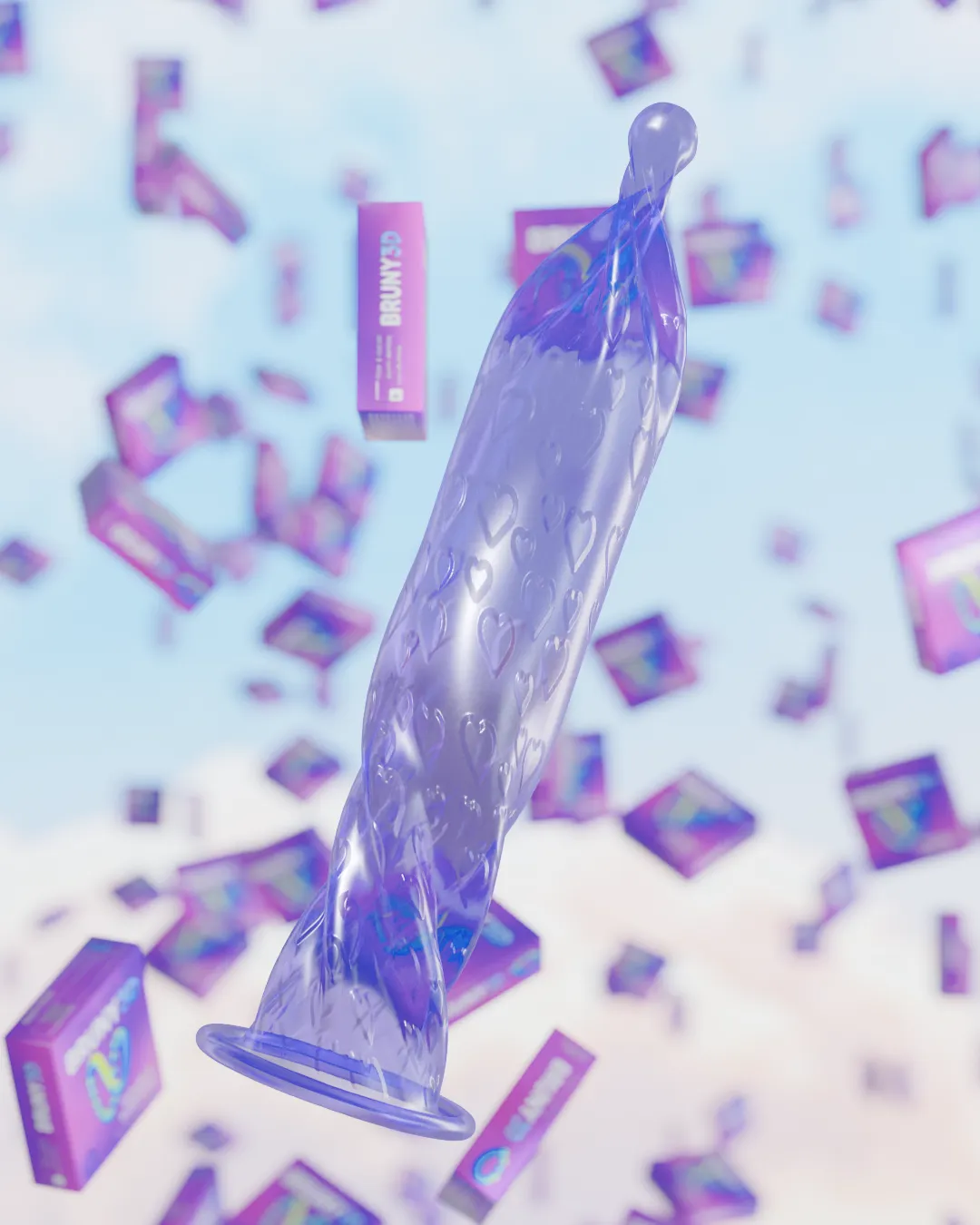
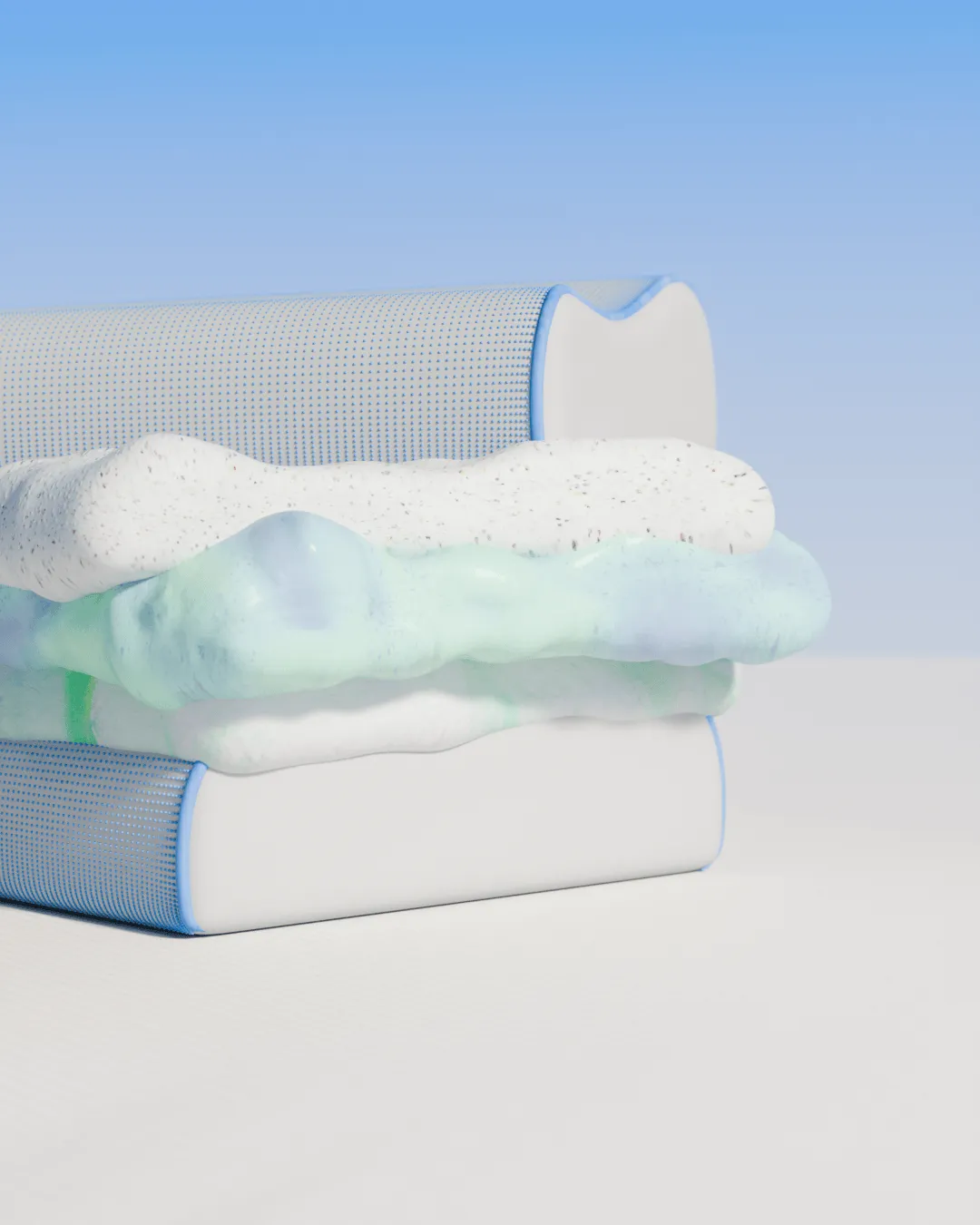
Atmospheric Packaging Stills
Sensory lighting and clean geometric staging that build consumer confidence and premium brand appeal.
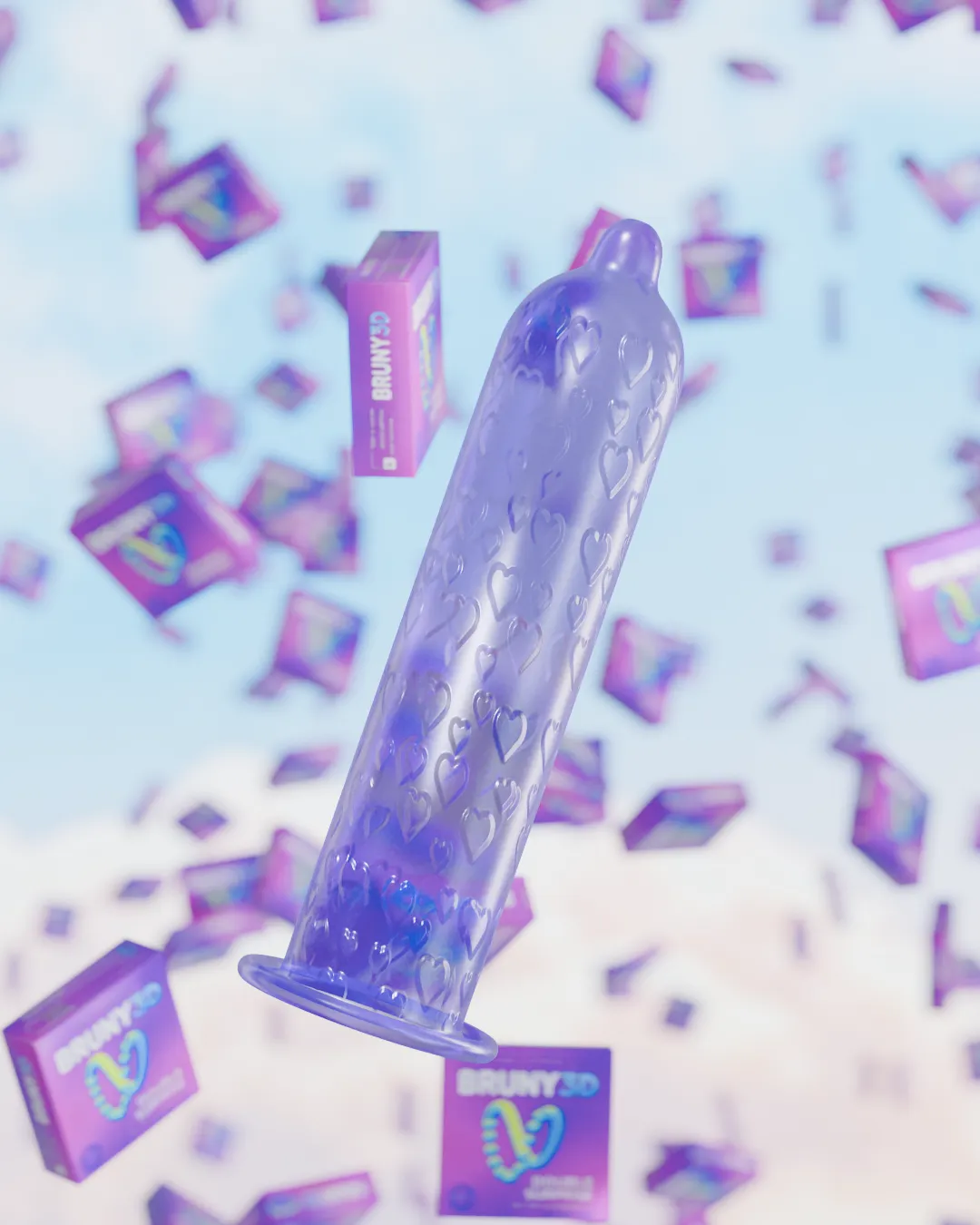
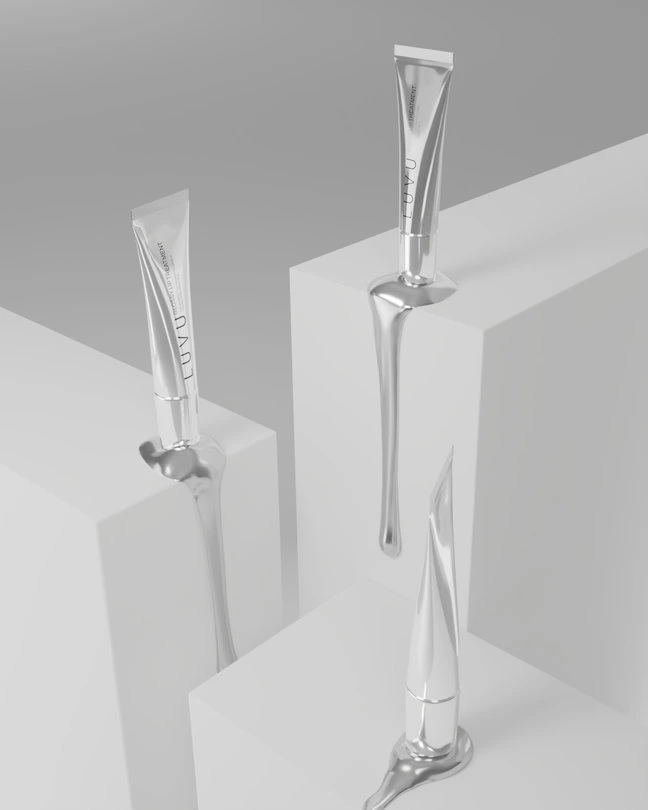
Sheer Material Simulation
Simulating delicate material physics, elastic transparency, and liquid interaction impossible to control with standard photography.
That's why I believe 3D deserves a much bigger place in adult wellness marketing.
See Function-First 3D in Action: Sexual Wellness 3D Motion
Explore how we visualized sensory curves, internal mechanisms, and luxury silicone textures while maintaining 100% ad compliance across Meta, TikTok, and web channels.
Explore Sexual Wellness Case Study →Frequently Asked Questions
Is 3D product animation better than photography for adult wellness brands?
Neither is universally better. Photography is more suitable for showing the real product, while 3D animation is particularly useful for explaining internal technology, product functionality and features that cannot easily be captured in photographs.
Can 3D product animation help adult wellness brands with advertising restrictions?
3D animation gives brands more control over how products are presented and allows them to create non-explicit product-focused visuals. However, it doesn't automatically make adult products eligible for advertising on restricted platforms.
Can 3D animation replace product photography?
Not completely. Photography remains valuable for showing the real appearance of a product, while 3D animation offers more flexibility when demonstrating how it works. Many brands can benefit from using both.
How much does 3D product animation cost?
The cost depends on product complexity, animation length, the number of features being demonstrated and the level of detail required. A simple product animation and a detailed internal mechanism breakdown involve very different production processes. You can learn more about project scopes on our pricing page.
What products benefit most from 3D animation?
Products with internal technology, specialised mechanisms, complex shapes or features that are difficult to demonstrate through traditional photography can benefit particularly from 3D animation.
Start Your Project
Ready to apply these storytelling techniques to your brand? Let's discuss how we can create stunning 3D visuals together.
Book a Discovery Call